
A timeline history of Charlton with prints, photographs, maps and films.
New images added on a regular basis so bookmark this page (click on images to enlarge)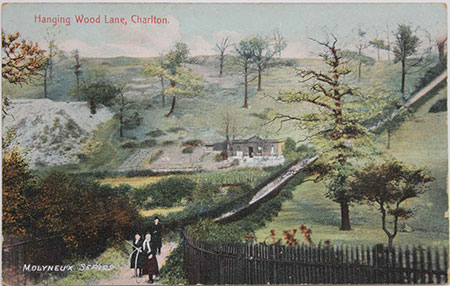
Roman Charlton
69-250 Roman Settlement near Maryon Park (excavated 1870-1920).
Saxon Charlton
Charlton may have meant 'village held by villeins'. It was a village in Kent.
Medieval Charlton
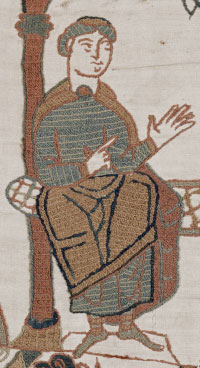
1066 Odo (d. 1097) Bishop of Bayeux given the Manor of Charlton by his half brother, William the Conqueror after the Battle of Hastings.
1077 Mention of a church in Charlton.
1086 Domesday reference to Cerletun.
1093 Manor of Charlton given to the Monastery of St. Saviour, Bermondsey.
Tudor Charlton
c1525 Dissolution of the monasteries. On the suppression of Bermondsey abbey, Charlton manor came into the possession of the Crown.
Stuart Charlton
1603 King James 1 sold Charlton Manor to John Erskine for £2000.
1607 Adam Newton (1562–1630), tutor to King James's son, bought Charlton Charlton Manor for £4,500. He had Charlton House built. Architect unknown but thought to be John Thorpe.
1612 Construction of Charlton House completed.
c. 1630 Summer House built for Charlton House possibly by Inigo Jones (now WC!).
1630 St Luke rebuilt with money from Adam Newton's estate.
1658 Charlton Manor sold to Sir William Ducie, son of Sir Robert Ducie, Lord Mayor of London.
1679 Sir William died childless.
1680 The following year the administrators of his estate sold Charlton House to Sir William Langhorne of the East India Company who came to reside there. He purchased additional land in Charlton, Woolwich and Plumstead, including Gun Wharf and land near Tower Place. In 1707 he also bought the manor of Hampstead.
C17 Bugle Inn built in Charlton village.
1710 Almshouses rebuilt by Sir Richard Baynes.
Georgian Charlton
1715 Sir William Langhorn died childless. He bequeathed his Charlton estate to his nephew, Sir John Conyers and his male heirs.
1731 Sir Baldwyn Conyers died, With no male heir, the Charlton estate passed to another nephew of Sir William's, William Langhorn Games.
1732 William Langhorn Games died unmarried. The inheritance then passed to a distant relative, Mrs Margaret Maryon of White Roding, Essex
1746 Mrs Margaret Maryon died and the estate passed to the Reverend John Maryon, Rector of White Roding.
1760 Reverend John Maryon died. He left his estates to his widowed niece, Mrs Margaretta Maria Weller, and then to her only child, Jane Weller.
1767 Jane Weller married Sir Thomas Spencer Wilson thereby bringing Charlton, Hampstead and the Maryon estates in Essex to the Wilson family. Sir Thomas and Lady Wilson made Charlton House their home, becoming the first resident owners since the death of Sir William Langhorn.
1800 Topographical Map Of The Country Twenty Miles Round London (south east)
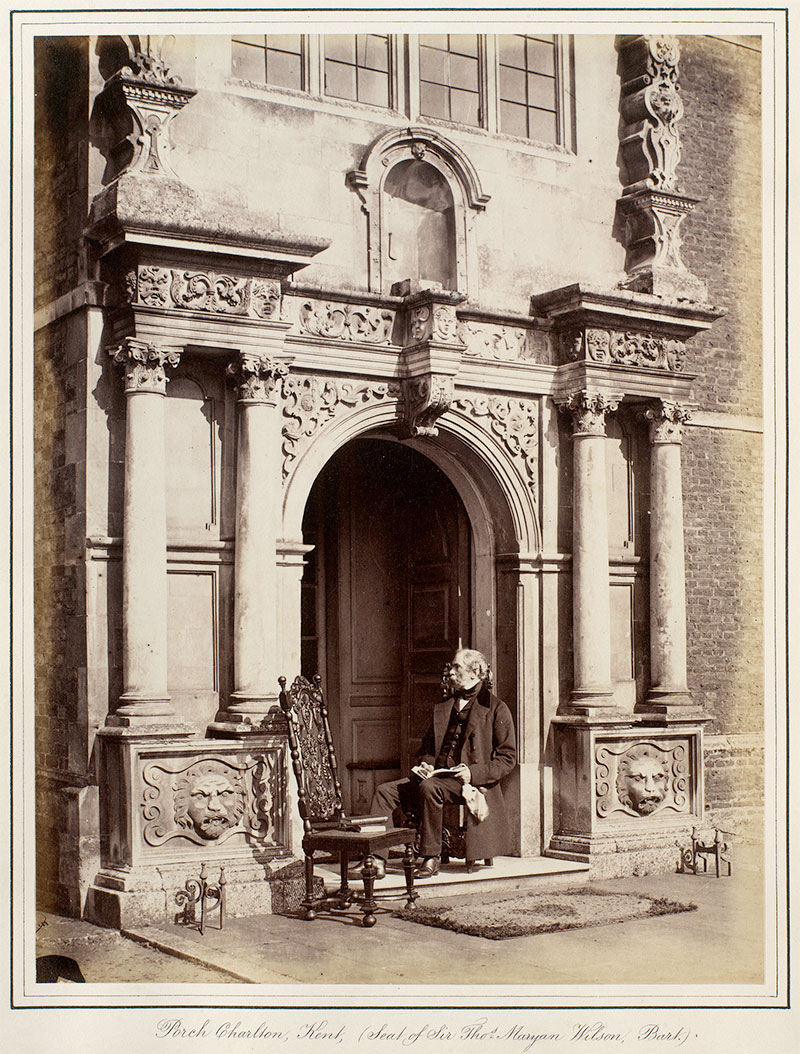
1821 Sir Thomas Maryon Wilson (1800–1869), 8th Baronet inherited Charlton House from his father. Mid C19 photo of Sir Thomas at Charlton House.
1820s Village green enclosed and added into the grounds of Charlton House.
1825 Charlton Horn Fair moved from village green to Fairfield at the east end of the village, where the road branches off to Woolwich.
Victorian Charlton
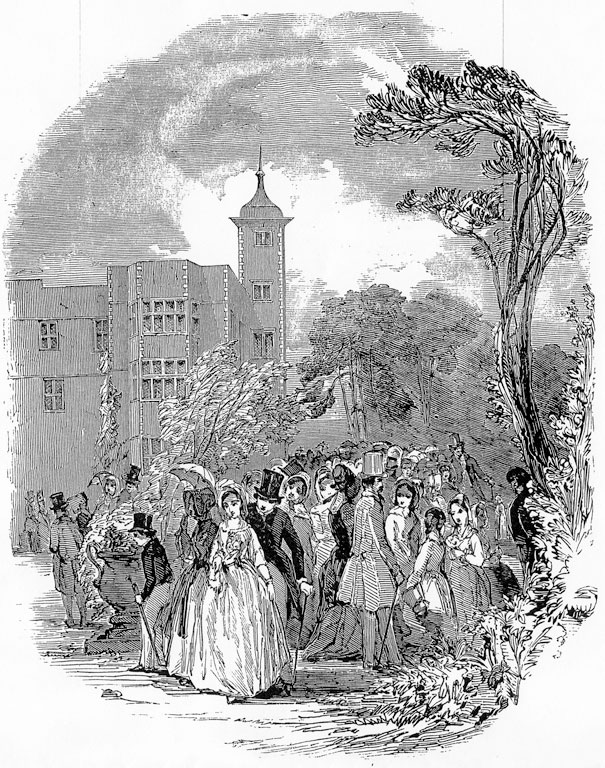
1849 Fete Champetre at Horn Fair.
1849 Charlton railway station opened by South Eastern Railway (SER) on the North Kent Line.
1855 Charlton became part of the metropolitan area of London.
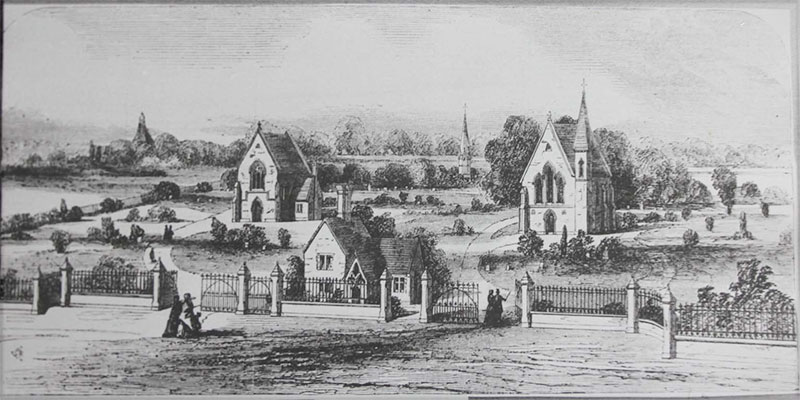
Charlton cemetery opened on Cemetery lane, 15 acres in size.
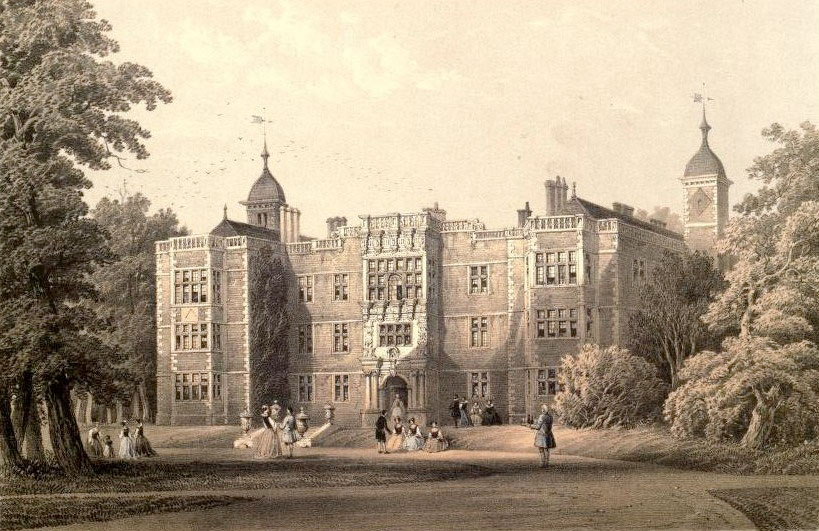
1858 Lithograph of Charlton House by C W Walton
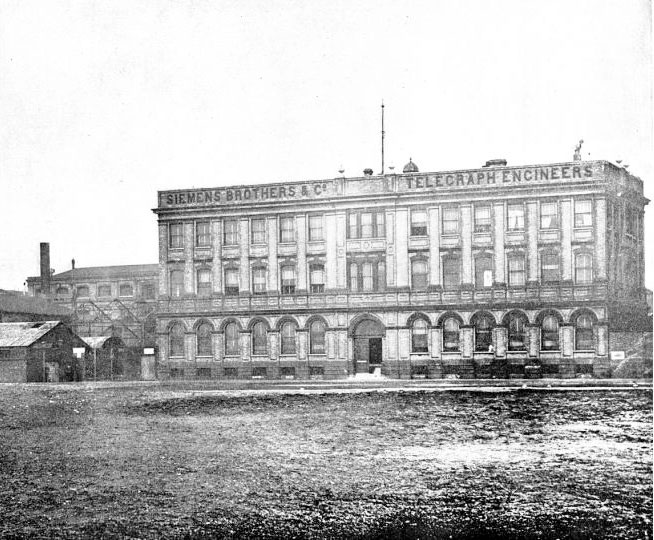
1863 Siemens Cable Factory opened at Bowater Road.
Alexandra Hall opened as swimming baths at Bramshot Avenue (then Lloyds Bank from 1928).
1872 Charlton Horn Fair banned at Fairfield (it was held on St Luke's Day, 18 October).
1878 Charlton House restored by Norman Shaw (1831-1912) for Maryon Wilson family. Shaw added a new southern wing.
1890 Sir Spencer Maryon Maryon-Wilson (1829–1897) provided land (a disused sand pit) to London County Council for the creation of Maryon Park.
1891 Maryon Park opens to the public.
Edwardian Charlton
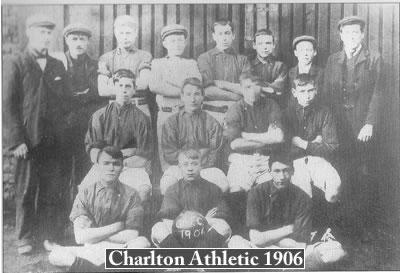
1905 Charlton Athletic F.C. formed. The club’s first ground was at Siemens Meadow (1905–1907) by the River Thames
View from Maryon Park
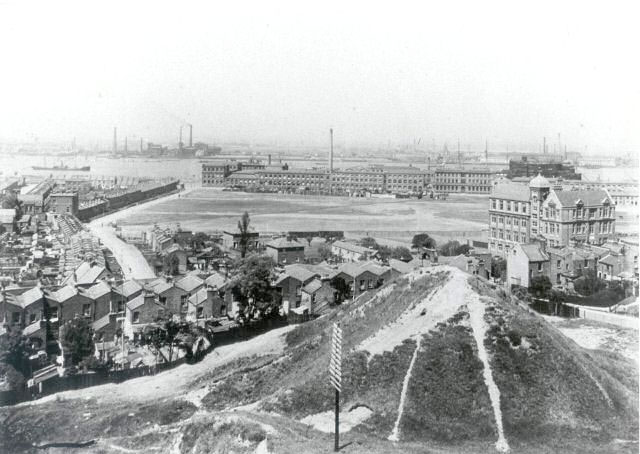
1907 Charlton Athletic F.C. moved to Woolwich Common.
1908 Charlton Athletic F.C. moved to Pound Park.
1909 Maryon Park extended.
1913 Charlton Athletic F.C. moved to Angerstein Lane.
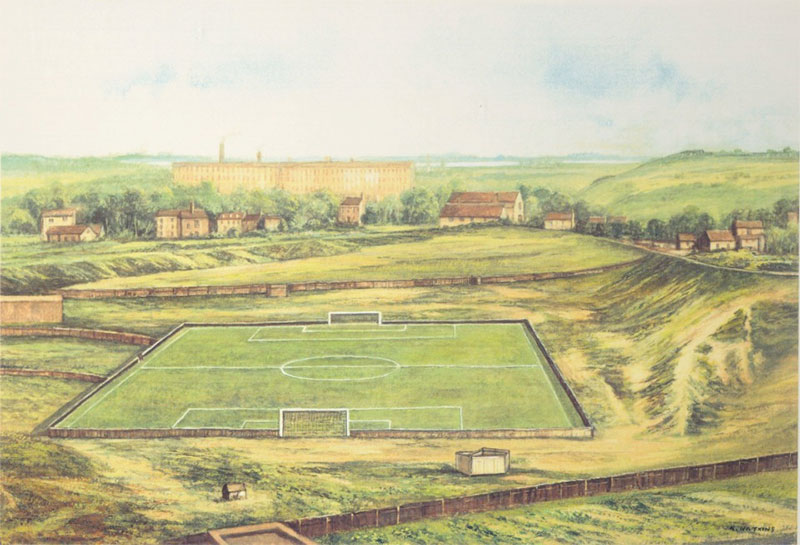
Sir Spencer Pocklington Maryon-Wilson (1859–1944) provided land (a sand pit) for Charlton FC. It opened after the First World War as The Valley.
Envisaged image of the future ground.
Charlton in World War One
1914-1918 Sir Spencer Maryon-Wilson moved out of Carlton house which became an auxiliary hospital during the 1st World War
Interwar Charlton
1919 Charlton Athletic F.C moved to The Valley. Previously an abandoned sand and chalk quarry known as The Swamps.
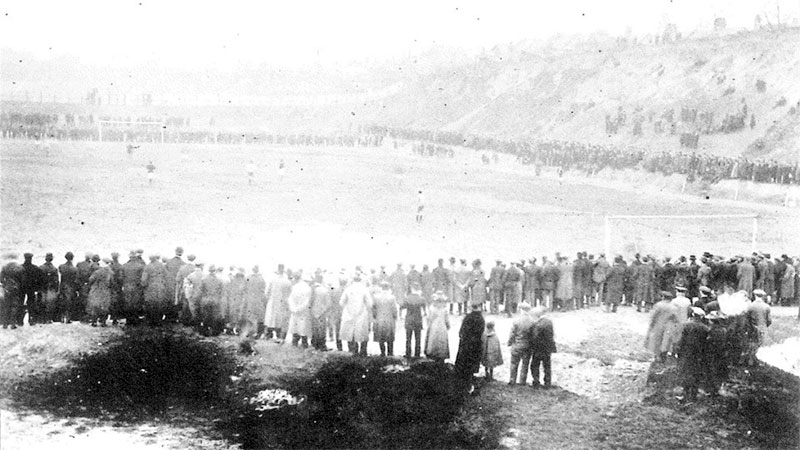
1921 Charlton Athletic F.C turned professional.
1922 Charlton Athletic F.C’s first grandstand added. Charlton FC now had one of the largest single football terraces with the ground holding one of the biggest capacities in Europe.
1924 11th Baronet, Sir Spencer Maryon-Wilson donated the 32-acre High Wood to the London County Council to be enjoyed by the public. It became Maryon Wilson Park.
1925 Sir Spencer Maryon-Wilson sold Charlton House to Greenwich Borough Council along with 108 acres of grounds which became Charlton Park.
1926 Maryon Wilson Park opened to the public off Thorntree Road.
1929 Maryon Park extended.
Open Air school moved to Charlton Park from Shooter’s Hill.
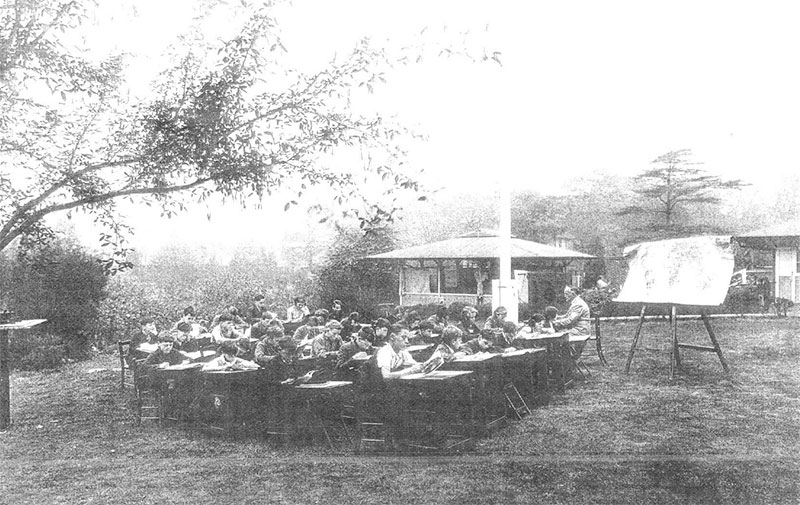
1935 Hornfair Park opened.
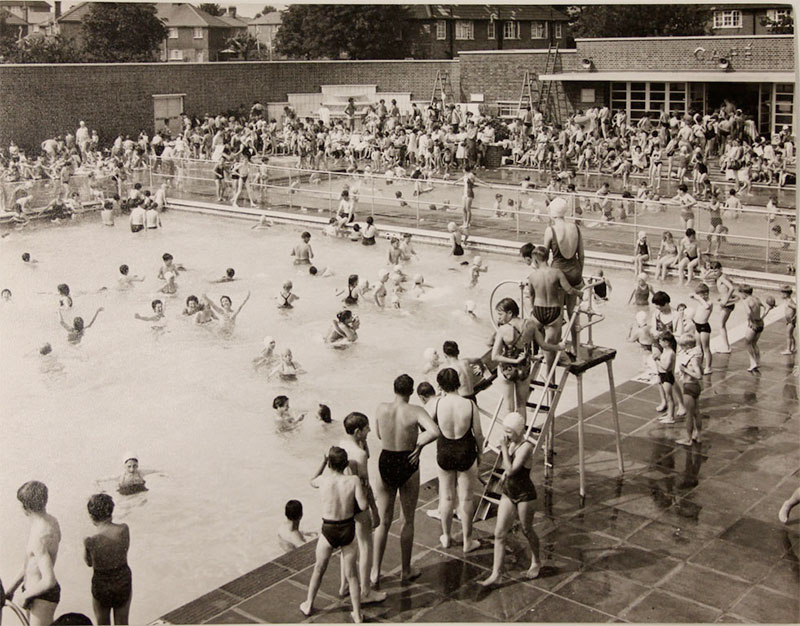
1939 Charlton Lido opened. It closed just four months later due to World War II, serving as a static water supply for firefighters until reopening in 1946.
Charlton in WW2
1940 The Blitz. German bombers attacked London at night. Large areas of Charlton Park were set aside to grow food and to accommodate temporary buildings for bombed out families.
1944 June 23: A V-1 flying bomb hit Charlton Railway Station and destroyed it. Nearby buildingsbseverely damaged, with four civilians killed.
Post War Charlton
1945 Charlton House opened as a community centre.
1952 Inner London’s trams discontinued in favour of buses. ,The final service ran from Woolwich to New Cross depot, when it passed through Charlton, with thousands lining the route.

1953 Tramatorium established in Penhall Road.
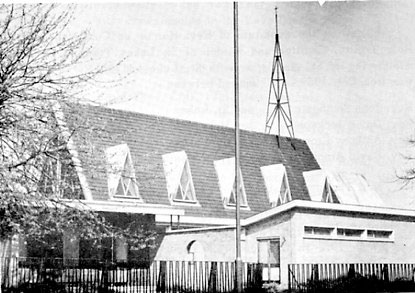
1961 St. Mary church opened on Charlton Park Lane, designed by Ralph Covell (1911–1988). Later demolished.
1966 Part of the iconic Sixties film Blow Up (Dir: Michelangelo Antonioni) shot in Mayow Park. Antonioni hyper-realised the park by painting the paths black and the grass green.
1967 Siemens Factory closed down at Bowater Road.
1974 St. Mary church demolished.
Work began on the Thames Barrier.
The Who & Humble Pie played Charlton Athletic F.C’s ground The Valley more info.
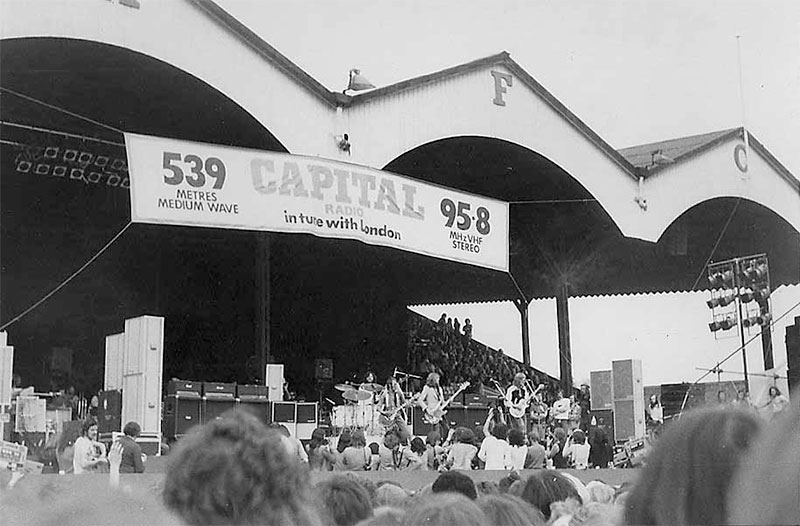
1976 The Who played The Valley again. The Guinness Book of World Records named it the world's loudest concert.
1984 The Queen opened the Thames Barrier (3:28 film)
1989 Charlton Lido fell into disrepair and closied.
2013 Charlton Lido reopened after a £5 million renovation.
Book List
Charlton House - AR Martin (1929)
Charlton: A Compilation of the Parish and its People - John G Smith (1970)
Discover Greenwich and Charlton - Darrell Spurgeon (1991 Greenwich Guide-Books)
Charlton Athletic Football Club - David Ramzan (1998 Tempus)
The History of Charlton House - Andrew Lewis (2011)
Advertise With Us Back to top |
|---|
(c) South London Guide 2026