A Timeline History of English & Welsh Wine
A timeline history of English & Welsh wine with prints, photographs and films
Click on images to enlarge
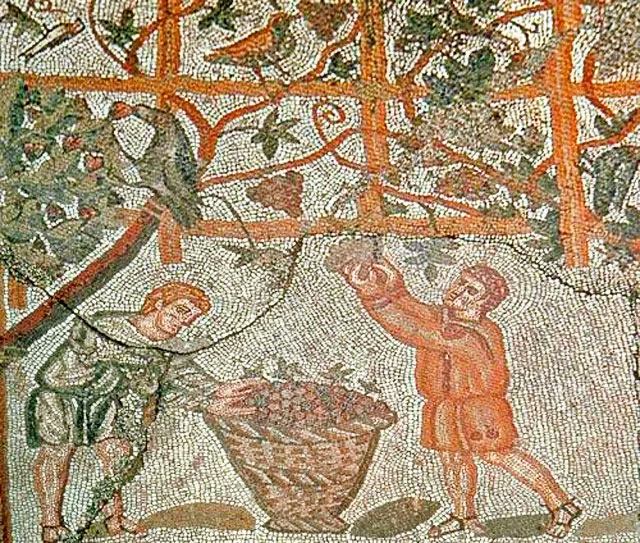
The Romans introduced the vine to Britain (the climate in Britain at that time being warmer). But the end of the first century AD the writer Tacitus declared that our climate was “objectionable”, and not at all suitable for growing vines, which could suggest that someone had at least tried to establish vines, even if they had been unsuccessful.
Excavations of Roman villas, houses and garrisons in Britain show evidence of wine amphorae and drinking cups, and occasionally grape pips and stems of bunches of grapes. Of course the wine could have been imported.
8th Century
First direct evidence of English vineyards when the Venerable Bede (c. 673-735 AD) wrote : “The island excels for grain and trees, it also produces Vines in places.”
9th Century
Documentary evidence from that time indicates that there were vineyards attached to monasteries, particularly in the West country and Central south regions.
11th Century
1066 The arrival of the Normans marked the start of an era of viticultural activity that would not be matched until the current revival which began some 900 years later. With William the Conqueror came French Abbots and their monks who were experienced in winegrowing.
1086 Domesday Book noted 38 vineyards in England ranging southward from Suffolk and Cambridge, and including Herefordshire and Gloucestershire. Either monasteries or nobles’ estates.
12th Century
Cheap wine imports from Gascony caused the English wine industry to go into decline during the reign of Henry II (1154-89).
14th Century
1303 Prior Henry Eastry (c.1239-1331) of the Benedictine Priory of Christ Church at Canterbury built a manor at Deanery Farm in Chartham, Kent and established vineyards there.
1348 The Black Death led to a decline in vineyards.
C14 The start of the Little Ice Age (which continued until C19) also led to a decline in vineyards.
17th Century
The botanist John Tradescant (1570-1638) planted 20,000 vines on Lord Salisbury’s estate in Hertfordshire.
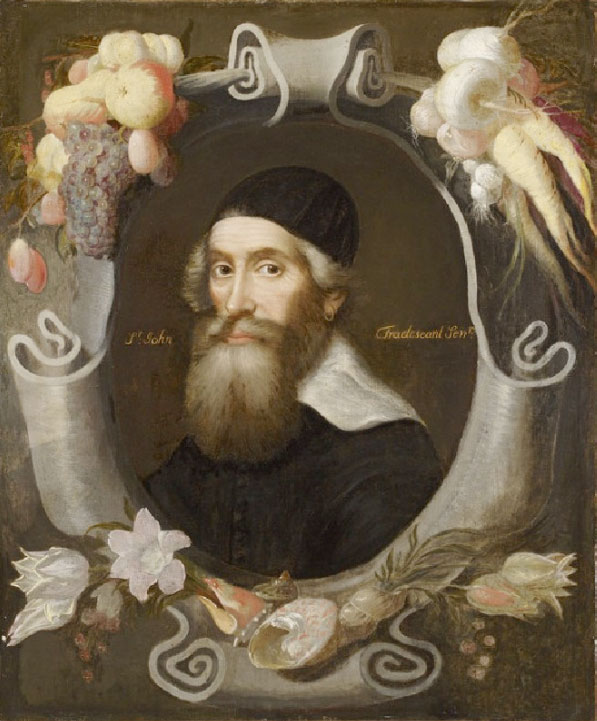
1630 John Tradescant employed by King Charles I to be keeper of His Majesty's Gardens, Vines, and Silkworms at Oatlands Palace in Surrey.
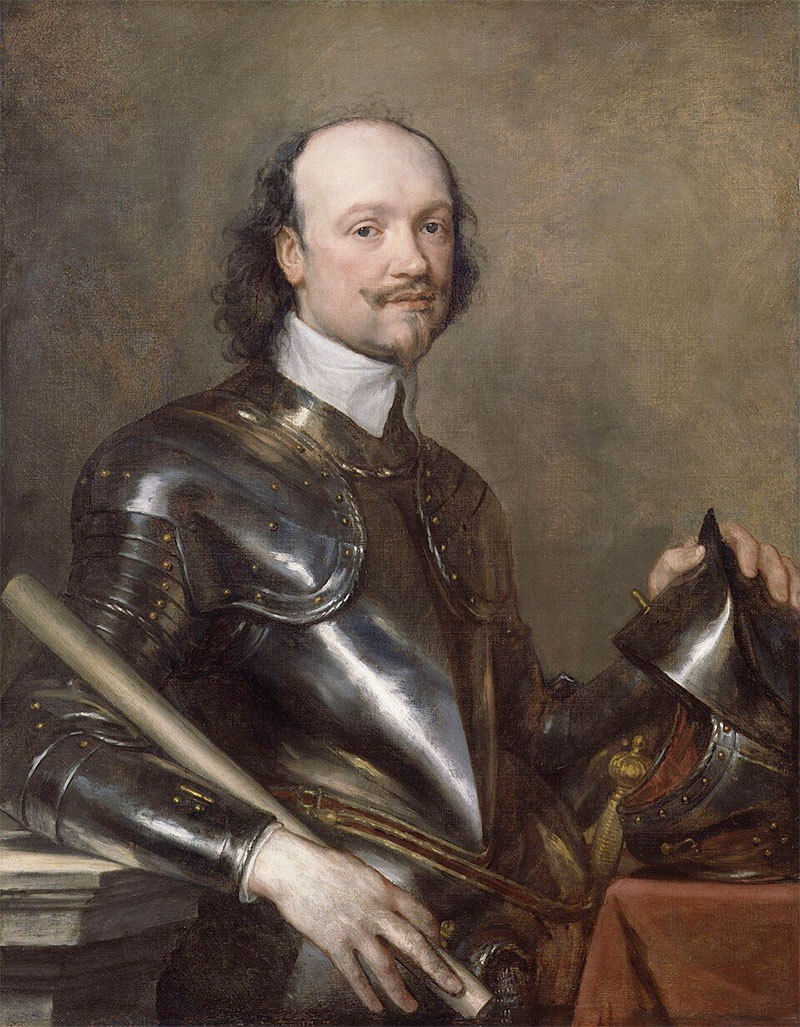
1633 Sir Kenelm Digby (1603-1665) was the inventor of a special super strength glass bottle. Used to bottle fine cider and later sparkling wine (more info).
1648 Sir Paul Neile (1613-1686) MP, son of the Archbishop of York and MP for Ripon, wrote the first paper to be presented to the Royal Society. It was on making cider. His ‘Potgun cider’ is the first written record of what has become the ‘Méthode Champenoise’, some fifty years before it was described by Dom Perignon.
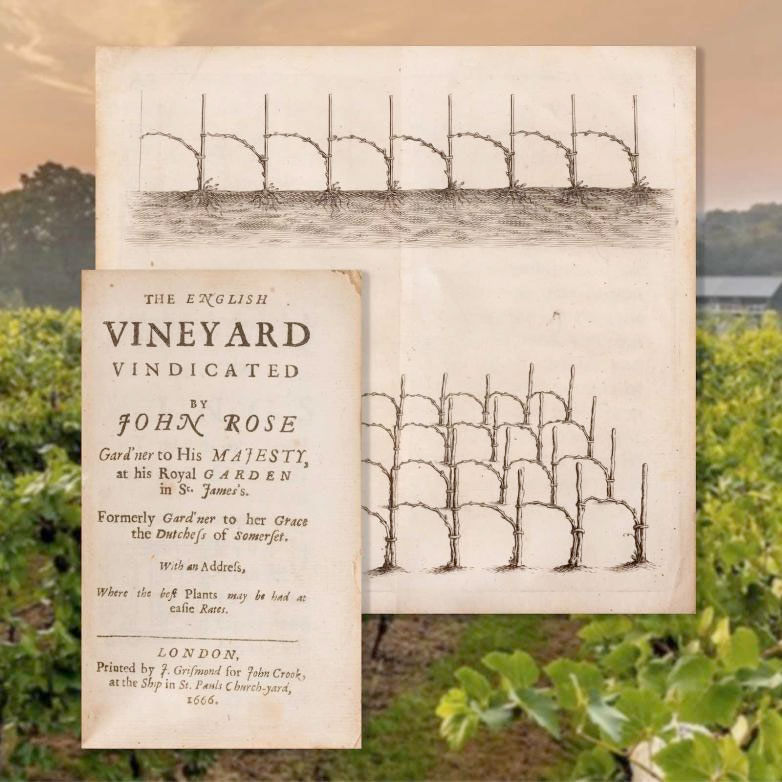
1666 John Rose, Gardener to Charles II at His Royal Garden in St. James’s, wrote a treatise on the cultivation of vines in this country called “The English Vineyard Vindicated”, (online) in which he discussed the question of site selection, vine varieties, pruning and training and care of the vines up to the harvest. More info
18th Century
1740 One of the most famous vineyards of this era was that at Painshill Place, Cobham, Surrey, which was planted by the Hon Charles Hamilton (1704-1786).
19th Century
1873 John Patrick Crichton-Stuart (1847-1900) of Castell Coch in Glamorgan decided to reintroduce commercial grapevines into Britain. Inspired by antiquarian writings about British viticulture
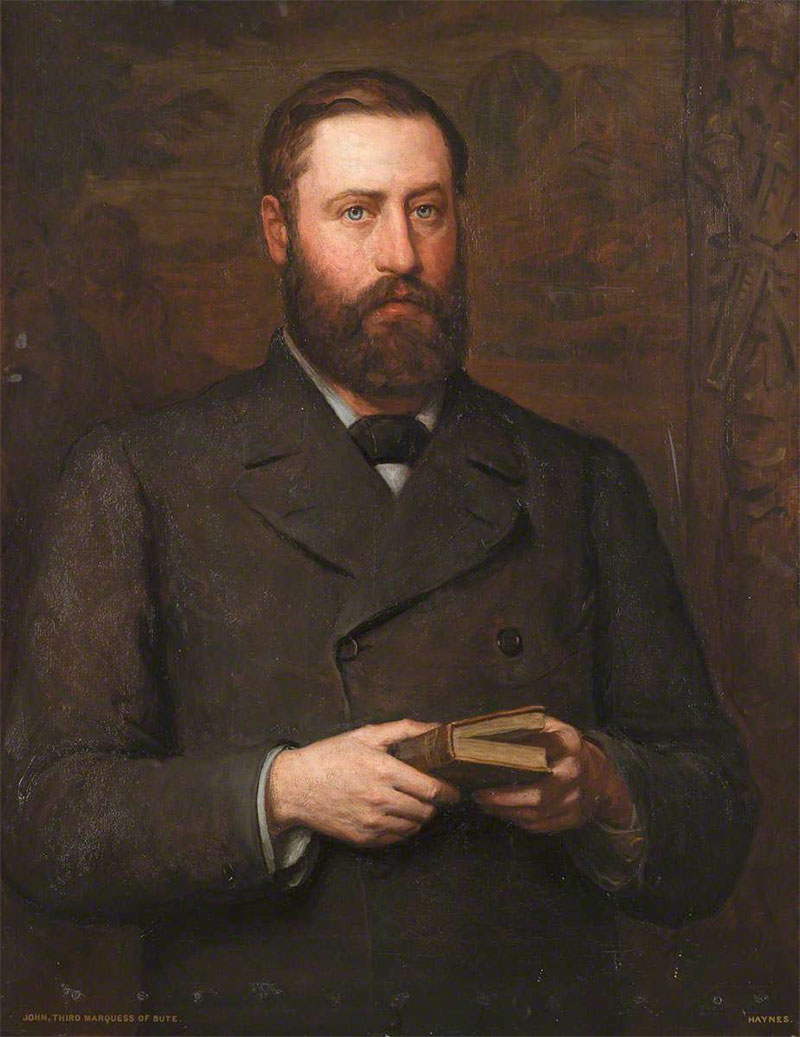
He sent his head gardener, Andrew Pettigrew (1833-1903), to France to see how vines should be grown. Following his visit, vines were ordered. More info
1875 Andrew Pettigrew built a 3 acre vineyard at Castell Coch. It was the first wine to be produced in Britain since the 17th Century.
Read more
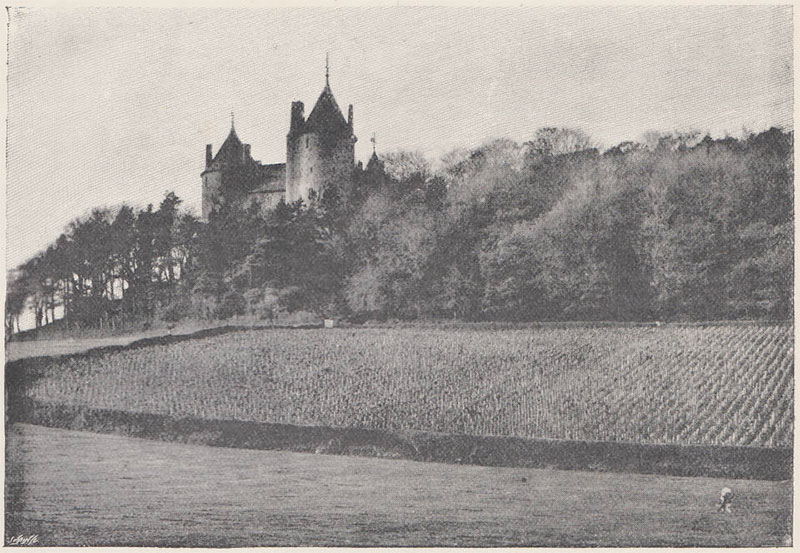
1877 Initial Castle Coch harvest only produced 240 bottles.
1894 40 hogshead (300 litre barrel) of wine produced by Castle Coch, including a red varietal using Gamay grapes produced to positive reviews.
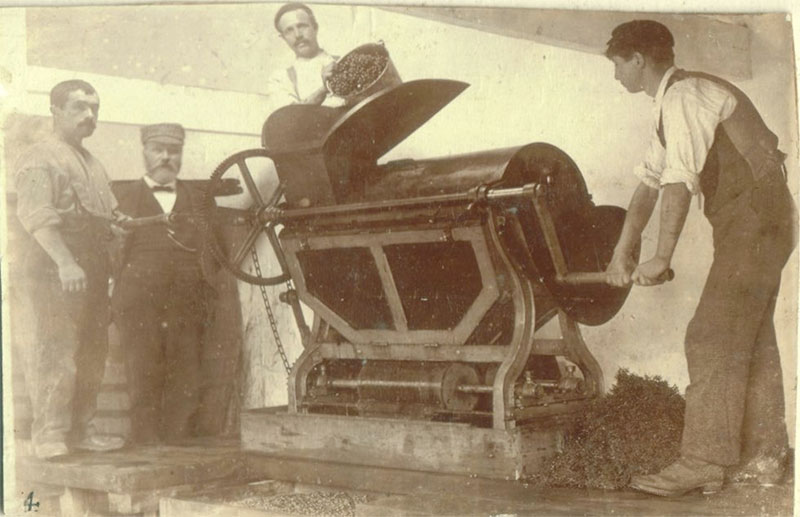
1897 Photo of Andrew Pettigrew with an Egrappoir pressing machine.
20th Century
1914 Castell Coch vineyard ceased due to lack of sugar in First World War .
The Thirties
1936 George Ordish (1906-1992) planted vines in Wessex.
1939 George Ordish planted a small vineyard in Yalding, Kent.
The Forties
1945 The writer & anarchist Edward Hyams (1910-1975) moved to a three ace small-holding in Molash, Kent. He turned three acres of wilderness into a market garden and English vineyard.
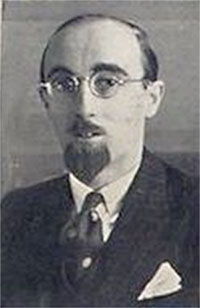
He found that many grape varieties were unsuitable and collaborated with scientist Ray Barrington-Brock (1907-1999) to find more successful varieties. Of the varieties planted the most successful were two vinifera crosses (Muller Thurgau and Madeleine Sylvaner and three hybrids, Seyval Blanc, Baco No1 and Tere Dore) more info.
1946 Ray Barrington-Brock planted a small vineyard in Oxted, Kent. As a scientific examination of grape varieties to find varieties suitable for the British climate. Due to his work, the Müller-Thurgau and Seyval blanc grape varieties became popular in England.
The Fifties
1951 Sir Arthur Guy Salisbury-Jones (1896-1985) planted an acre of Seyval Blanc vines 15 miles from the sea in the Hampshire village of Hambledon. First commercial vineyard in England & Wales since Castle Coch in 1875. He visited France with his head gardner.
1969 photo:
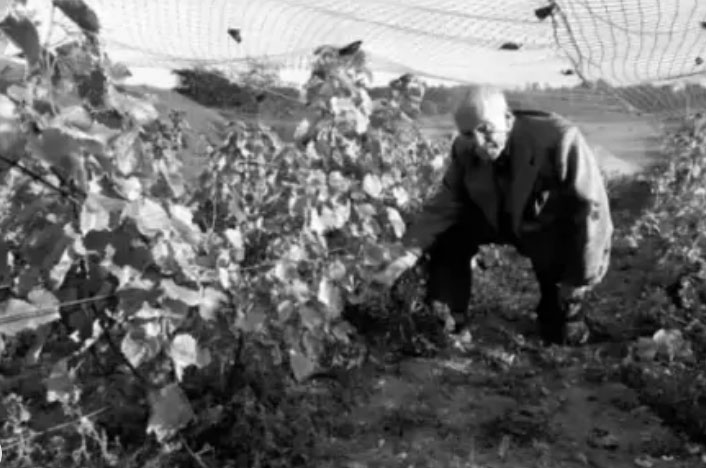
1952 Article on George Ordish’s Yalding vineyard in Sports and Country magazine.
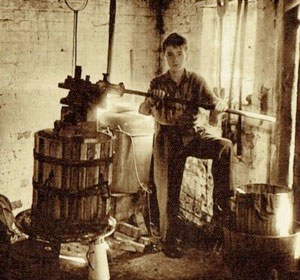
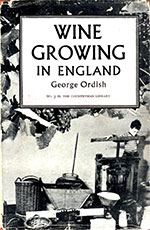
1953 Wine Growing in England by George Ordish published.
Vineyards in England: A Practical Handbook for the Restoration of Vine Cultivation and Wine Making to Southern Britain - edited by Edward Hyams
1955 Merry Down Wine second commercial vineyard in UK. Planted by Jack Ward of Merry Down Cider, in East Sussex.
The Sixties
1961 Colour film of Hambledon, Hampshire (British Pathe film 2:29)
1967 English Vineyards Association established. Jack Ward of Merry Down Wine was first chairman.
1968 Adgestone Vineyard established on chalky south facing slopes on the Isle of Wight by Ken Barlow who had searched the south coast for the "perfect vine growing location”. Barlow planted planted bacchus, phoenix, scönburger, gewürztraminer, seyval blanc, regent, orion, pinot noir and rondo (Seyval Blanc vines remain - the Old Ladies).
1969 New Hall Wine Estate established in Essex by Bill and Sheila Greenwood. They discovered that in 1120, vines were planted on the south-facing slopes adjacent to All Saints Church in Purleigh. The wines were supplied to King John, as well as being consumed during the Magna Carta signing in 1215. This inspired Bill & Sheila, to start winemaking themselves. Later their son Piers (b. 1957) won many awards with his Bacchus wines. New Hall pioneered the Crouch Valley vineyard movement which takes advantage of low rainfall, low frost due to proximity to the sea and south eastern slopes. more info.
The Seventies
1971 David Carr Taylor (b. 1939) with his wife Linda established the Carr Taylor vineyard in East Sussex and joined the English Vineyards Association. It was one of the largest vineyards in England at 21 acres. Read more Photo by Mick Rock. It closed in 2025.
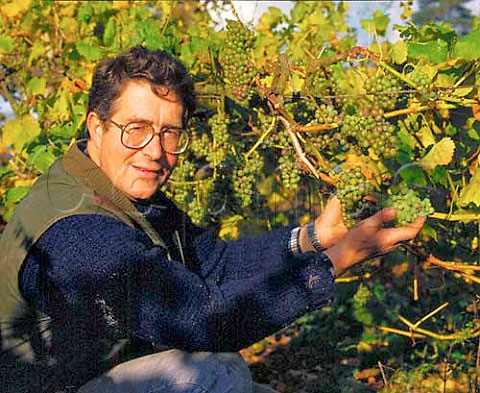
1972 Kenneth McAlpine (1920-2023) planted vines on his farm in Lamberhurst, Kent and extended it over the years until Lamberhurst Vineyards became the largest vineyard in the country more info
Bolney Wine Estate established in West Sussex by Rodney and Jean Pratt.
1973 Fairfield Fruit Farms (later Three Choirs) vineyard established in Gloucestershire by Alan McKechnie.
1974 Peter Hall (1943-2025) planted Seyval Blanc at Breaky Bottom on the South Downs.
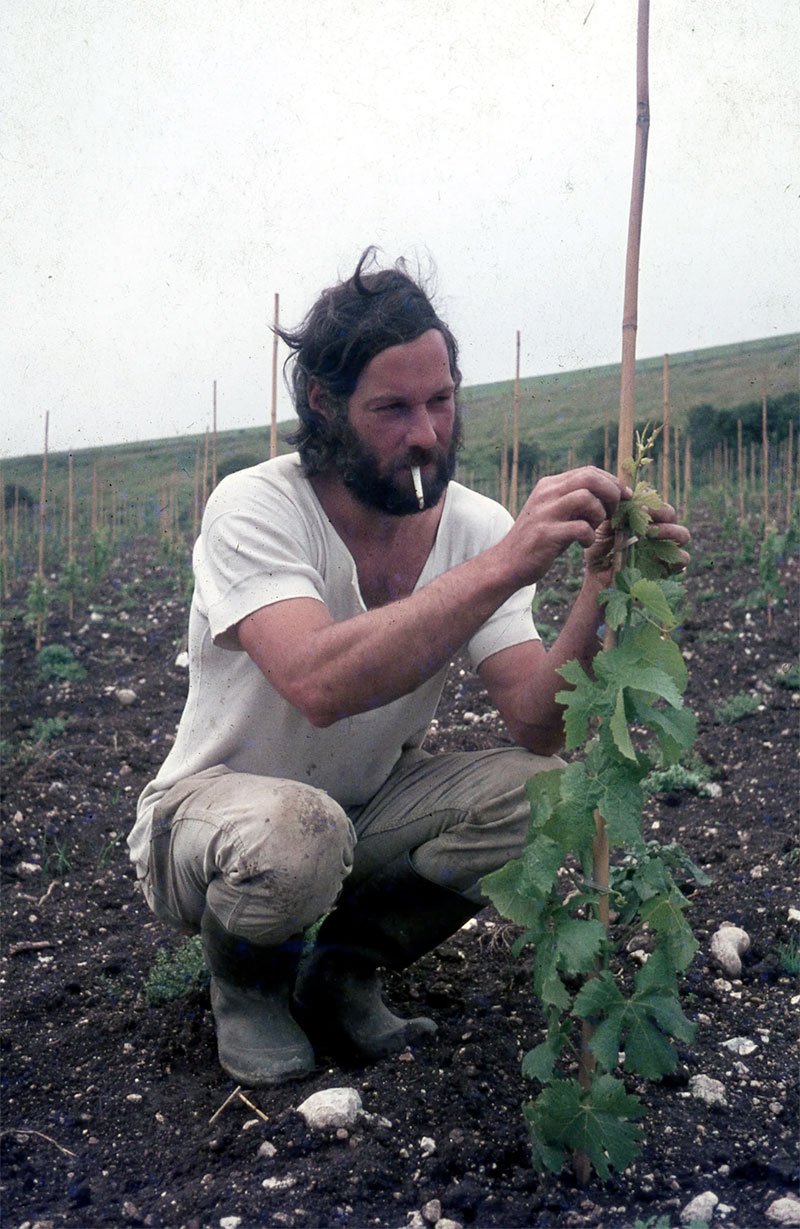
1976 A record breaking summer with 13 weeks of sun. It produced 2,000 bottles for Carr Taylor.
1977 Stephen Skelton (b. 1948) established Rock Lodge vineyards at his father-in-law’s farm in Tenterden, Kent (now the home of the UK’s largest wine producer, Chapel Down Wines), and made wine there for 22 consecutive vintages. Read more
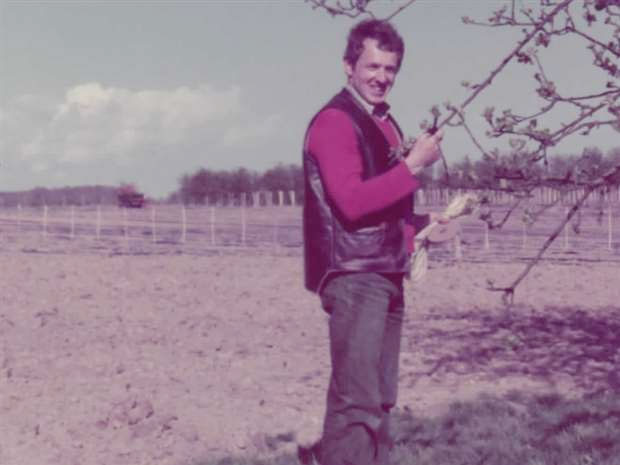
1979 Guardian feature on English wine producers.
The Eighties
1983 Piers Greenwood of New Hall in partnership with Kenneth McAlpine of Lamberhurst Vineyards produced the first Traditional Method Sparkling Wine using Pinot Noir and Chardonnay grapes.
1985 Carr Taylor (East Sussex) produced an English Sparkling Wine (but with German grape varieties) from an 1983 harvest. Read more
1986 Adrian White (b. 1942) founded Denbies Vineyard on the North Downs in Surrey. Documentary (2022 film 33.53). Initially grew German grape varieties.
1988 Stuart Moss (1937-2022) with his wife Sandy at Nyetimber planted Champagne variety vines, (chardonnay, pinot noir and pinot meunier) to produce champagne-method sparkling wine. Read more
1989 Camel Valley vineyard established in Cornwall by Bob Lindo (b. 1949).
Very warm summer.
The Nineties
1990 Very warm summer.
1992 Nyetimber produced an early English Sparkling Wine using three Champagne grape varieties. Warmer summers meant different grape varieties could now be used to make English Sparkling Wine. Photo of Sandy & Stuart Moss, Nyetimber founders.
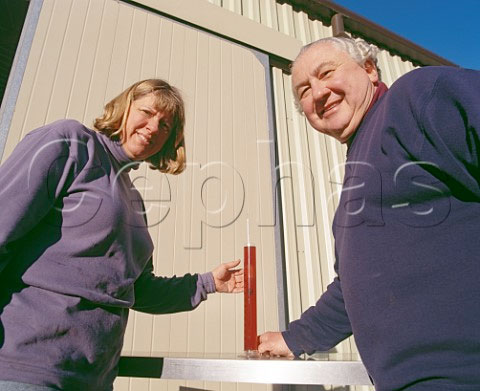
Chapel Down acquired Stephen Skelton’s Tenterden vineyards plus Lamberhurst Vineyards.
1995 A very warm summer. Mike Roberts (1943-2014) founded Ridgeview to produce English Sparkling Wine.
1997 Nyetimber's 1992 Première Cuvée Blanc de Blancs won a gold medal at the 1997 International Wine & Spirits Competition. Read more
1999 Ian Kellet (b. 1965) bought Hambledon Vineyard (10 acres) and expanded it to 200 acres more info
Wine pioneer Ray Barrington-Brock died.
21st Century
2003 A Nyetimber sparkling wine beat Bollinger and Louis Roederer in a blind tasting at the Sparkling Wine World Championships.
2004 Andrew Weeber (b.1946) established Gusbourne Estate with vineyards in Appledore, Kent and one next to the Goodwood Estate in West Sussex. Debut vintages released in 2010 to critical acclaim more info.
2006 English Wine Week founded by Laura Rhys rto aise awareness of English wine quality, spotlighting vineyards and retailers.
2007 Cherie Spriggs and husband Brad Greatrix joined Nyetimber as winemakers. Read more
2009 Langham Wine Estate founded in Dorset.
2010 Ridgeview’s Grosvenor Blanc de Blancs 2006 beat several top Champagne houses to win the International Trophy for sparkling wine priced above £10 in the Decanter World Wine Awards (DWWA).
Henry and Kaye Laithwaite established Harrow & Hope vineyard in the Thames Valley.
2010 article on state of English wine
Rathfinny planted 50 acres of vines on the South Downs (later to expand to 600 acres).
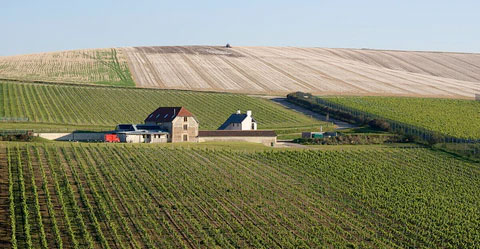
2011 Mike Roberts awarded an MBE for his services to English Wine
interview.
2012 Very poor harvest. Nyetimber cancelled their picking. Only New Hall in Essex had a reasonable harvest.
2014 Danbury Ridge vineyard established in Essex.
Mike Roberts founder of Ridgeview died. Obituary
2016 Taittinger purchased 170 acres of land in Kent to plant vines for its Domaine Evremond brand.
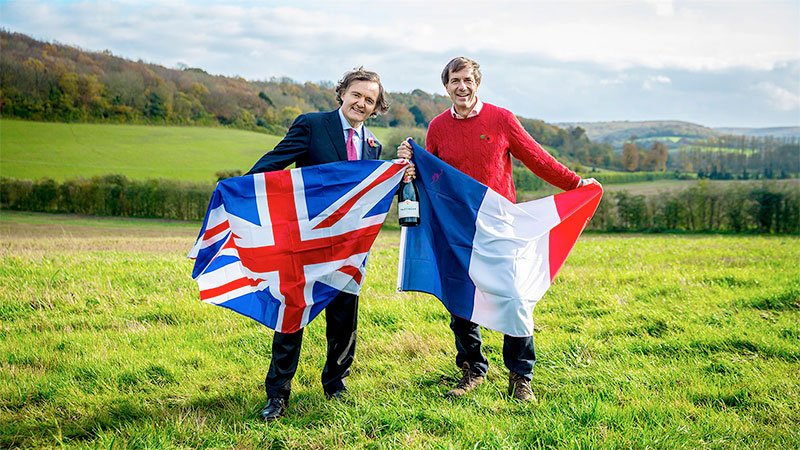
2017 Launch of Chapel Down’s Kit’s Coty wines from their 95 acre in North Kent (the story)
2018 Cherie Spriggs of Nyetimber became the first person from outside Champagne to win Sparkling Winemaker of the Year at the International Wine Challenge.
Exceptional harvest that year.
2019 Andrew Jefford on the evolution of English wine. Read more
Denbies opened their Vineyard Hotel. England's first carbon neutral vineyard hotel.
2021 Generally poor harvest.
2022 Stuart Moss, founder of Nyetimber, died in California. Obituary.
2023 Exceptional harvest more info.
2025 Winemaker Peter Hall died. Obituary
Books:
The Grape Vine in England - Edward Hyams (Bodley Head 1949)
Vineyards in England - Edited by Edward Hyams (Faber 1951)
Wine Growing in England - George Ordish (Countryman 1953 )
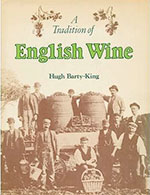
A Tradition of English Wine - Hugh Barty King (Oxford Illustrated Press 1977)
Vineyards in England and Wales - George Ordish (Faber 1977)
Vineyard in England - Norman Sneesby (Robert Hale 1977)
New English Vineyard - Joanna Smith (Sidgwick & Jackson 1979)
Guide to Vineyards of Britain - Don Philpott (Moorland 1989)
The Vineyards of England - Stephen Skelton (S. P. Skelton Ltd 1990)
The Wines of Britain and Ireland - Stephen Skelton (Faber and Faber 2001)
Winelands of Britain - Richard Seeley (Petravin 2004)
UK Vineyards Guide - Stephen Skelton (2008)
A Celebration of English Wine - Liz Sagues (Robert Hale 2018)
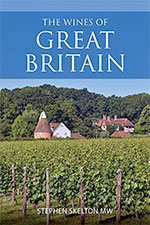
The Wines of Great Britain - Stephen Skelton (Infinite Ideas Ltd 2019)
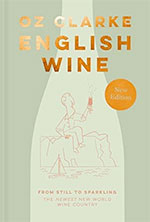
English Wine: From Still to Sparkling - Oz Clarke (Pavilion 2020)
Sussex by the Glass - Liz Sagues (Tanwood Press 2021)
The Vineyards of Britain: Cellar Door Adventures with the Best of Britain's Wines - Ed Dallimore (Fairlight 2022)
Vines in a Cold Climate: The People Behind the English Wine Revolution - Henry Jeffreys (Allen & Unwin 2023)
Films
2019 Hugh Johnson on English Wine (1:38)
| The South London Guide |
|---|

(c) South London Guide 2026