A Timeline History of Lee & Grove Park
|
|---|
Saxon Lee
Lee may have meant place in or near a wood or grove.
Medieval Lee
c.1080 St. Margaret's Church built. (Only the tower remains today)
1086 Described in Domesday Book 'The village of Lee is assessed at a half-saling with arable land for 14 ploughs and 2 teams for the demesne and ii villeins with 2 cottas or bordars who have 2 ploughs. There are 2 slave (serf) families, 5 acres of meadow and woodland for 10 hogs'.
1206 Reference to Lega.
Stuart Lee
1682 Boone’s Almhouses built (demolished in 1875 only the old Chapel remains).
1685 Pentland Place (later Foclallt House) built on Old Road.
Georgian Lee
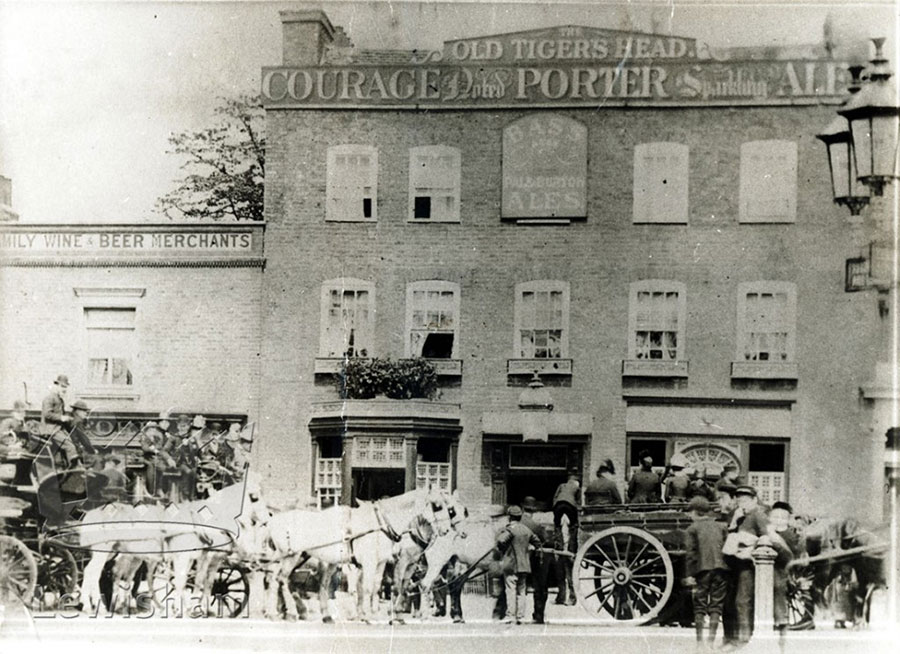
1730s Tiger Head pub built at 35 Lee High Road . Victorian photo:
1742 Astronomer Edmond Halley (1656–1742) buried in St Margaret's churchyard.
c1771 Lee Manor House built for Thomas Lucas (c.1720–1784). Architect: Richard Jupp (1728-1799)
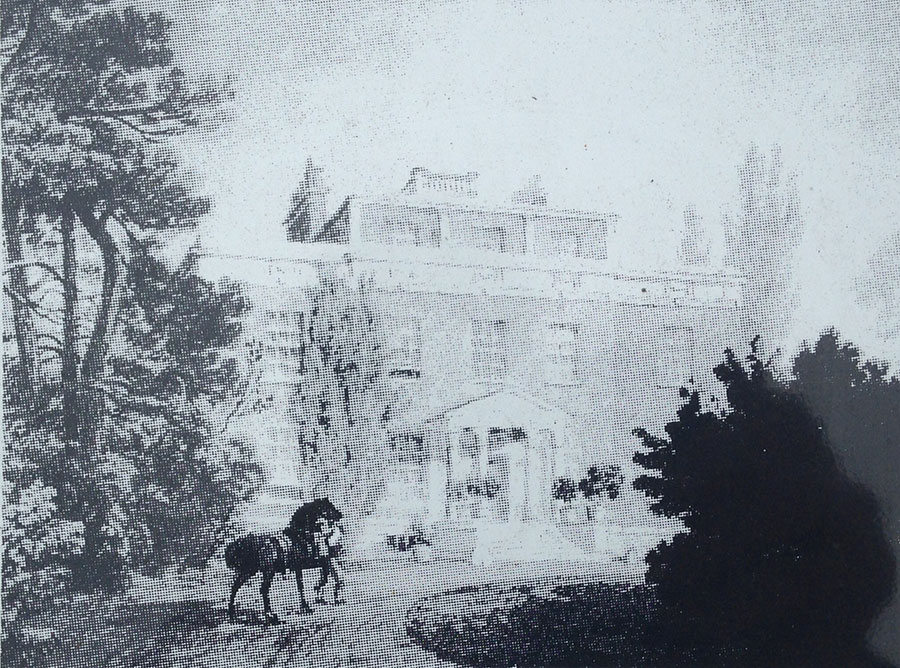
1795 Print of Lee Church.
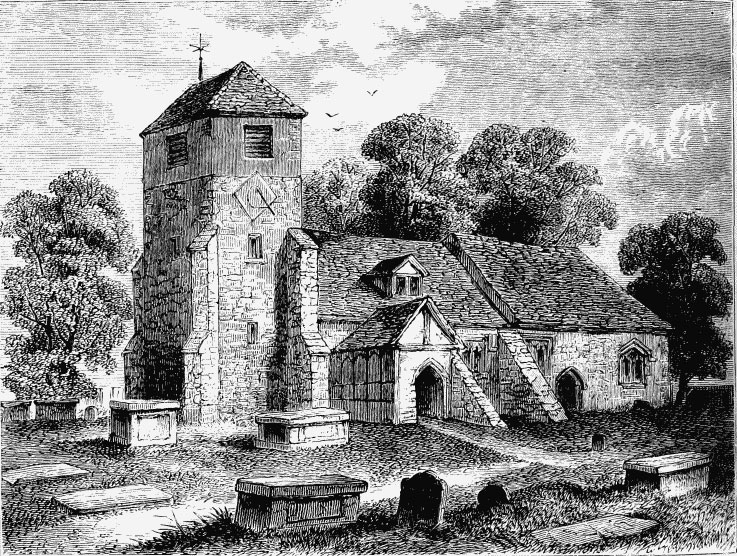
1796 Lee Manor House purchased by Sir Francis Baring (1740-1810).
1800 Topographical Map Of The Country Twenty Miles Round London. (south-east).
Shows Lee Place & Lee Green.
1801 Population of Lee was 900.
1810 Lee Green enclosed.
Regency Lee
1814 St Margaret church built to replace medieval church (built 1120)
1825 Lee Place demolished and Lee High Road straightened.
1826 Merchant Taylor's Almhouses.
Victorian Lee
1830s Many large houses built in Lee.
New Tiger's Head started life as a beer shop known as the Tiger Tavern. It opened across to Old Tigers Head.
1841 New St Margaret church built on Lee Terrace (replaced nearby old St Margaret church seen in background of painting below)
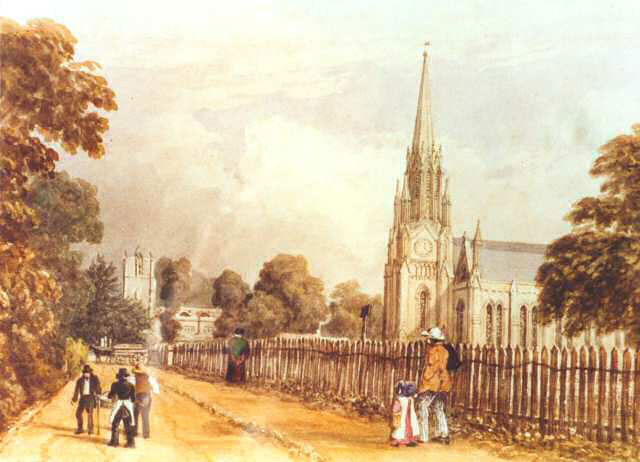
1864 Population of Lee was 8000.
c. 1875 Lee House (Dacre House).
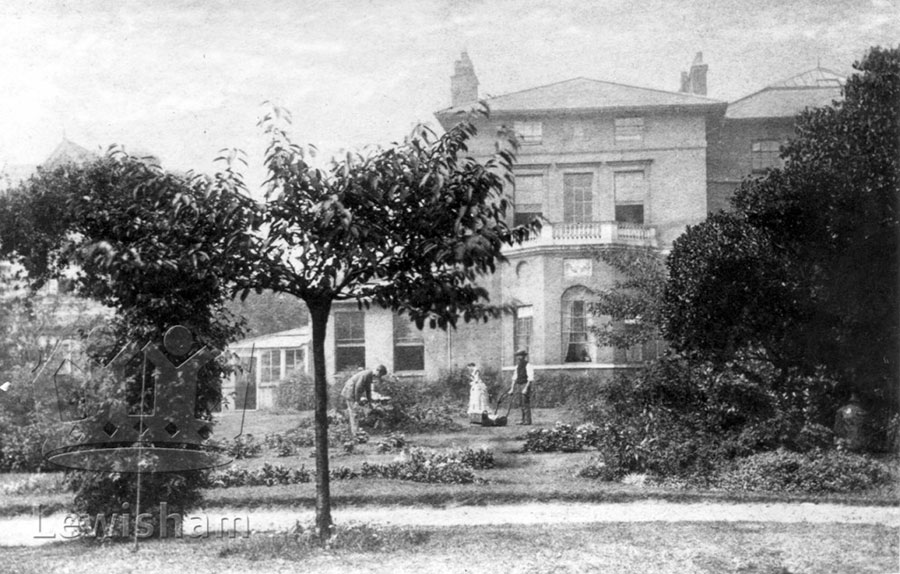
1896 Old Tigers Head rebuilt on Lee High Road (1902 photo).
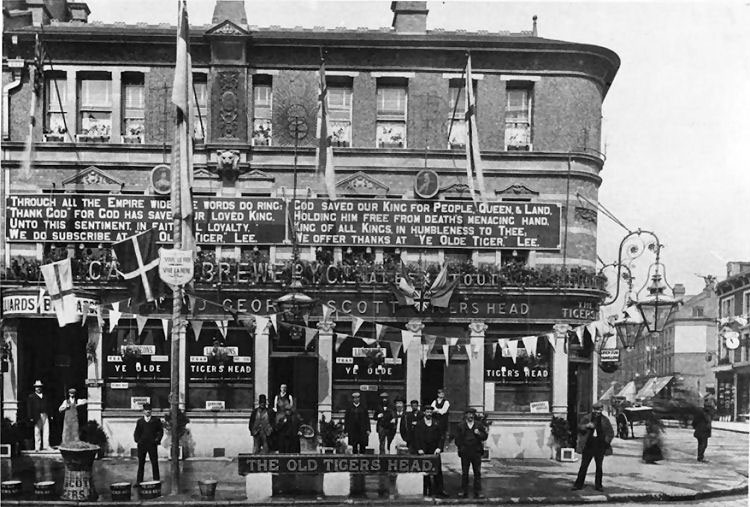
1898 Thomas George Baring, 1st Earl of Northbrook, (1826-1904) sold Lee Manor House and estate to the London County Council.
1899 Lee incorporated into Borough of Lewisham.
Edwardian Lee
1902 Manor House gardens opened to the general public. The Manor House became Lee Public Library.
1904 Police station, 418 Lee High Road.
1906 Lee Green Fire station opened at 9 Eltham Road
1907 Actor James Robertson Justice born at 39 Baring Road.
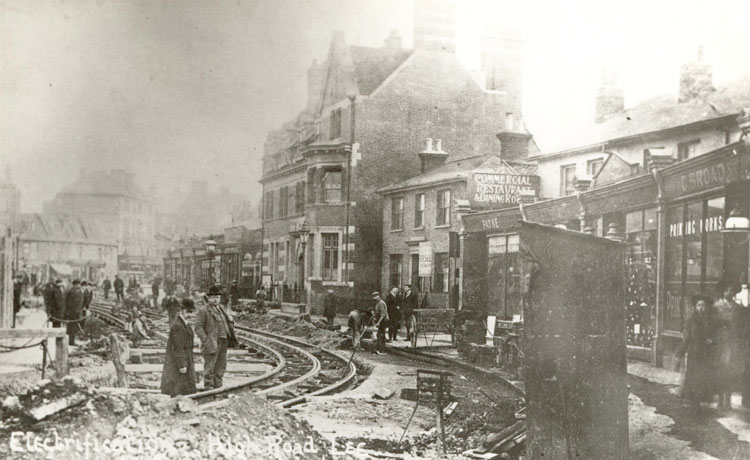
Tram track added to Lee High Road near the Police Station
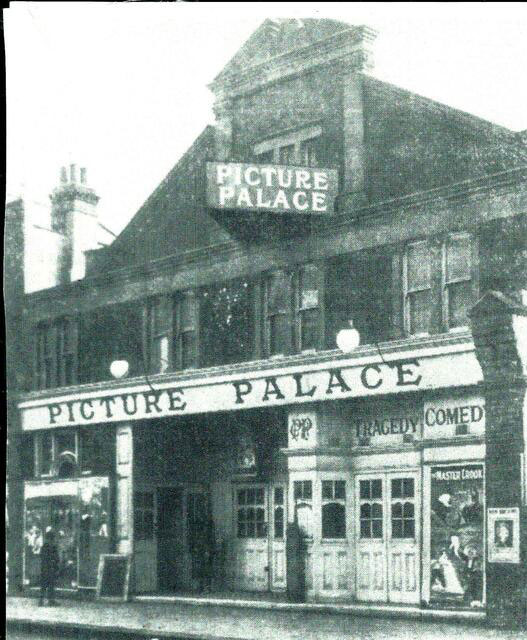
1910 Lee Picture Palace opened at 306 Lee High Road. Closed in 1917 and demolished in 2008.
I
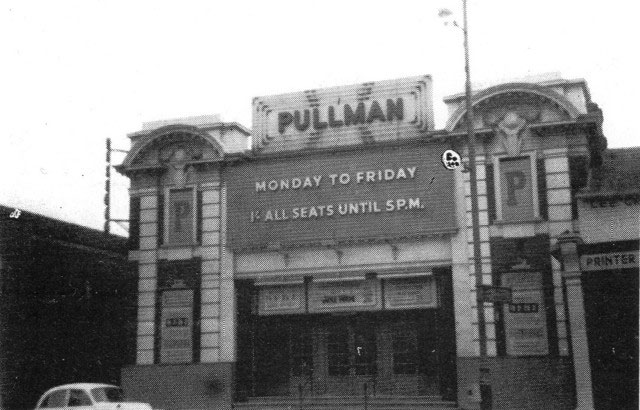
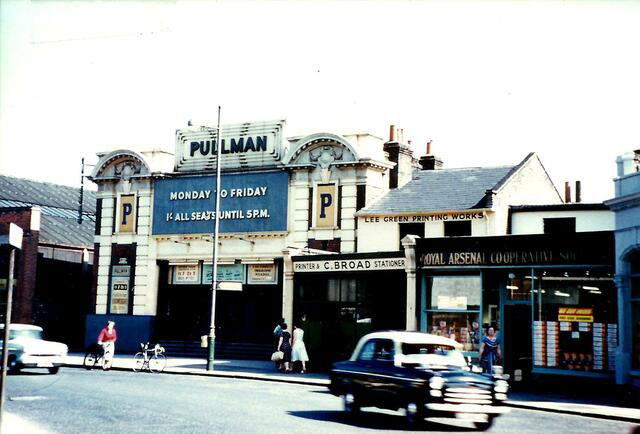
1913 Imperial Picture Palace opened at 404-408 Lee High Road (later Savoy then Pullman, closed in 1959).
Interwar Lee
1920s Burnt Ash Farm closed down.
Postwar Lee
1955 Photo of Pullman Cinema 404-408 Lee High Road (closed 1959).
1960s Manfred Mann leader of the pop group Manfred Mann (1962-1969) lived in Southbrook Road, in Sixties and early Seventies.
John Mayall, who led The Bluesbreakers (1963-1968). also lived in Southbrook Road in the Sixties. Guitarist Eric Clapton lived with Mayall & his family for a short while and used Mayall’s collection of blues records.
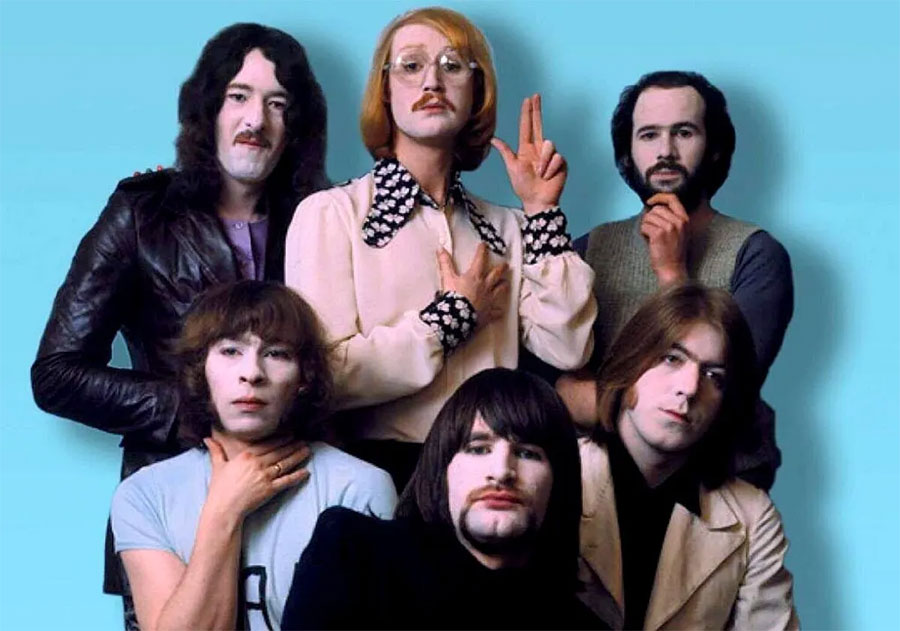
The anarchic Bonzo Dog Doo dah Band (1962-1970) had a residency at The Tigers Head, Lee, in the Sixties.
1976 Lee Manor Society founded.
1986 Old Pullman Cinema building on Lee High Road demolished. Part of a Sainsbury’s Superstore stands on the site today.
2025 Neighbourhood Plan for Lee.
Booklist:
History of Lee and Its Neighbourhood - FH Hart (1882 reprinted 1971)
Story of Lee - RRC Gregory & FW Nunn (1923)
Manor House, Lee - E&J Birchenough (Lewisham Borough Council)
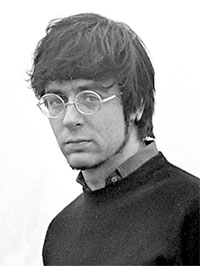
Manfred Mann (due
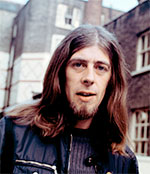
John Mayall (due)
Lee & Grove Park Property